

Fuel crisis sparks Active Operational Risk
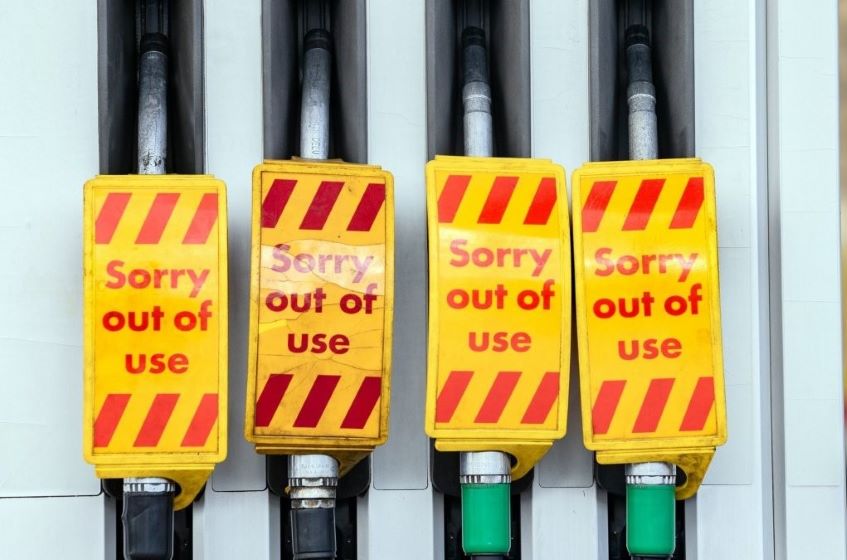
The escalating fuel crisis – driven by global conflict and supply chain disruption – is rapidly emerging as a critical pressure point for Australia’s printing and graphic arts sector. Recent guidance from the Visual Media Association (VMA) highlights that ‘rising fuel costs and tightening supply are creating new pressures across the visual media industry’, forcing businesses to reassess logistics and cost structures.
At its core, print is a logistics-heavy industry. Paper, inks, plates, and finished products all rely on road freight, making the sector highly exposed to diesel price volatility. With diesel prices rising as much as 30-50% in recent weeks (depending on location) and freight operators adding fuel levies of up to 29%, the cost of moving printed materials is climbing sharply. This is compounded by warnings that transport operators – already operating on thin margins – may reduce capacity or pass on costs, further squeezing print service providers.
Charles Watson, VMA’s Executive General Manager – IR and Governance, predicts: “The most immediate impacts will be higher freight costs and delays in delivery: a combination that threatens tight turnaround expectations and just-in-time production models common in commercial print. Industry-wide, there are also concerns that sustained disruption could affect workforce mobility, particularly in regional areas where staff rely on private transport.”
Noting the above, the VMA is treating the fuel crisis as an active operational risk, recommending that its members quickly develop contingency plans. Print service providers are expected to adopt several key strategies:
- Supply chain buffering: increasing inventory of paper and consumables to mitigate delivery delays
- Freight optimisation: consolidating deliveries and reducing empty transport runs
- Cost recovery mechanisms: introducing fuel surcharges or re-negotiating client contracts
- Localisation strategies: sourcing materials closer to production sites to reduce fuel exposure
- More structurally, businesses are being pushed to rethink supply chain design altogether. As analysts note, this crisis is ‘not just a trading issue’, but a physical supply vulnerability requiring long-term adaptation.
Ultimately, the fuel crisis may accelerate a shift already underway in print: toward more resilient, regionally optimised, and cost-transparent operations. Those able to adapt quickly – balancing service expectations with operational realities – will be best positioned to navigate the turbulence ahead.



Most read
- Fujifilm to cease sales of Acuity Prime and Acuity Ultra products
- HP Inc. and manroland Goss sign reseller agreement for Digital Finishing Systems
- Spicers announces plans to acquire Spandex Australia
- New MD for Fujifilm Business Innovation Australia
- Epson turns up heat on Inkjet Printhead tech
- Advantage Mutoh