
Barberan & Fujifilm put digital varnish on single-pass breakthrough
Laying claims to an ‘industry-first’, Barberan and Fujifilm seized the opportunity presented by FESPA in Barcelona to unveil a fully digital single-pass print solution through the Nautilus system complete with an integrated digital varnish capability. The development addresses two longstanding challenges associated with single-pass UV printing: media flexibility and surface finish.
Barberan CTO, Eladio Lerga, describes the Nautilus as ‘a platform capable of challenging traditional offset production in large-format applications’, citing output exceeding 4,000 square meters per hour and the ability to combine industrial productivity with digital flexibility.
Traditionally, single-pass UV systems often require analog primers and matte varnishes to achieve desired print characteristics, adding complexity, increasing setup times, and limiting substrate compatibility. Working together, Fujifilm’s ink chemistry team developed a new UV ink set designed to deliver strong adhesion across a broad range of materials while significantly reducing or eliminating the need for analog priming. This allows the system to print on thinner and more flexible substrates, including papers that have historically been difficult for many single-pass platforms to handle.
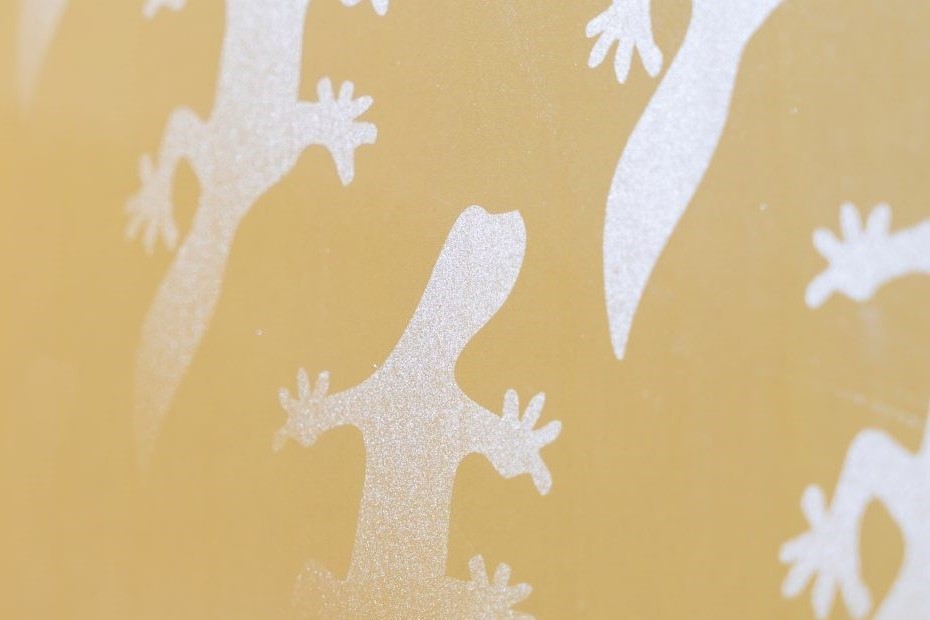
Added to this, while digital varnishes are widely used in multi-pass printing environments, adapting the technology for single-pass production required significant advances in chemistry, synchronisation, and process control. The resulting system produces a satin finish digitally and inline, eliminating additional finishing steps while maintaining the productivity advantages associated with single-pass manufacturing.
Productivity remains one of the platform’s defining characteristics. The Nautilus is capable of producing more than 1,400 sheets per hour at 2050×1600 mm sheet size, with every sheet able to contain unique content. Combined with Barberan’s alignment conveyor technology, the system supports duplex production with registration accuracy of ±0.1 mm. These capabilities are expected to be particularly attractive in applications such as out-of-home advertising, where shorter campaigns, versioning, localisation, and personalised messaging are driving demand for more flexible production methods.
The announcement represents another significant step in the evolution of single-pass inkjet technology. By combining high-speed printing, digital varnishing, variable data capability, and broader substrate compatibility into a fully digital workflow, Barberan and Fujifilm are positioning the Nautilus platform as a glimpse into the next generation of industrial graphics production, where speed, quality, automation, and flexibility coexist without the compromises traditionally associated with analog production methods.



Most read
- Triple EDP award win for Mimaki
- HP Inc. and manroland Goss sign reseller agreement for Digital Finishing Systems
- Fujifilm to cease sales of Acuity Prime and Acuity Ultra products
- New HP Printer series for busy enterprise environments
- Spicers announces plans to acquire Spandex Australia
- New MD for Fujifilm Business Innovation Australia