

Epson unveils ENGINEERED FUTURE 2035 strategy
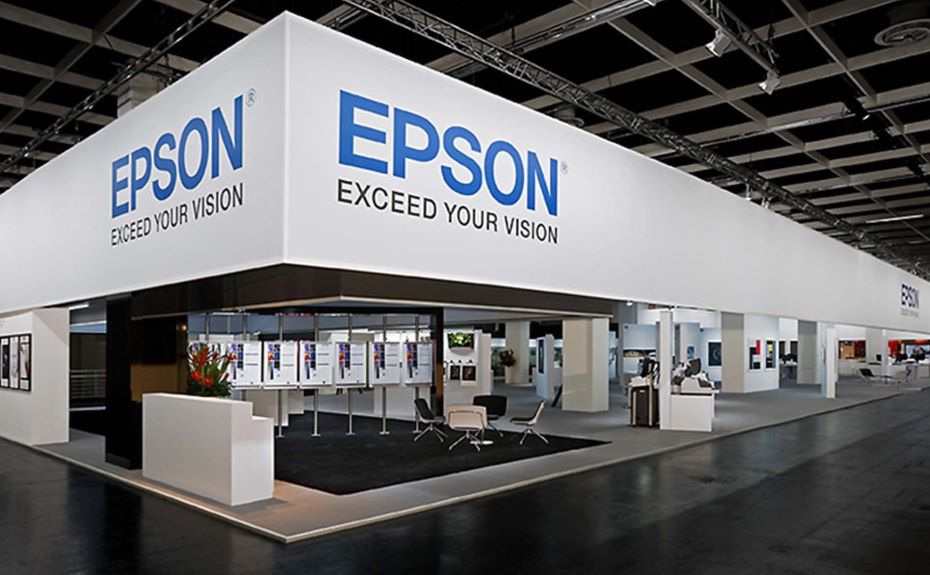
Epson has unveiled a new long-term corporate vision that maps out the company’s strategy to 2035. Its ENGINEERED FUTURE 2035 also includes a new Mid-Term Business Plan (2026-2028) that represents the first phase of work under the vision and will see Epson start to use ROIC as a management metric to optimise capital allocation, redesign its business portfolio, and focus resources on strategic growth domains.
Epson sees the next decade as one in which volatility is the norm. Environmental and geopolitical risks will rapidly change, resources and energy will be increasingly constrained, and demographic changes will result in labour shortages worldwide. Under these conditions, the onus is on how effectively Epson can use limited resources, energy, and human potential. The Plan articulates that ‘it is It is not enough to evolve technology itself: the ability to design and optimise technology so that it genuinely functions is becoming increasingly critical…translating advanced technology into things that are genuinely useful in the real world’. Engineering is the force that connects the philosophy of efficient, compact and precise innovation to meaningful social implementation, hence the nomenclature ENGINEERED FUTURE 2035.
In Phase 1 of the plan, Epson will transform its earnings base and leverage its precision technologies to expand in growth domains. ‘Management will emphasise capital efficiency, using ROIC as the primary management metric. By exercising disciplined ROIC-based management, Epson will aim to achieve a ROIC of 8% by fiscal 2028 and to build a solid foundation for sustainable growth.’
Cash created through this transformation of the earnings base will then be actively deployed to projects that maximise long-term value creation. In addition to strategic investments in things such as mergers and acquisitions, Epson will invest a total of ¥280 billion over the three-year period in growth domains, including in the Precision Innovation segment as the primary growth engine and the Industrial & Robotics segment, which will be a key growth driver for the next phase.
At the same time, Epson will boost shareholder returns by setting a minimum dividend level at a 3% DOE and, together with flexible share buybacks, more proactively deliver shareholder returns.




Most read
- Triple EDP award win for Mimaki
- New HP Printer series for busy enterprise environments
- HP Inc. and manroland Goss sign reseller agreement for Digital Finishing Systems
- Fujifilm to cease sales of Acuity Prime and Acuity Ultra products
- Spicers announces plans to acquire Spandex Australia
- New MD for Fujifilm Business Innovation Australia